

 X is for Xuxu
Once again, I am relying on the unique cultural names for my choice down here at the bottom of the alphabet. Xuxu is most commonly known in the US and Mexico as Chayote. Once you see the images and read that name, you most undoubtedly think, "I recognize that, I always wondered how to use it."
History: This plant originated in what is considered Central America now. There is no archeological evidence leading to how long this plant has been cultivated. It was shared with European settlers whom may have taken it back to Europe. It made it's way to South America between the 18th and 19th century. The name Xuxu is a Brazilian name for this vegetable in the gourd family which also holds squash, cucumbers and melo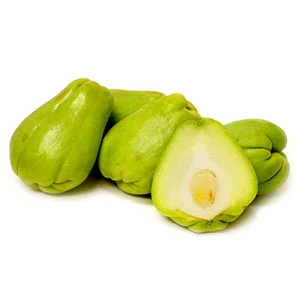 ns. The names for this vegetable are varied and vast...Choko (Australia) christophene or christophine, cho-cho, cidra (Antioquia, Caldas, Quindio and Risaralda regions of Colombia), sayóte (Filipino languages), guatila (Boyacá and Valle del Cauca regions of Colombia), centinarja (Malta), sousou or chou-chou (chow-chow) (Mauritian Creole), chuchu (Brazil), pimpinela (Madeira), pipinola (Hawaii), tayota (Dominican Republic), mirliton (Haitian Creole), pear squash, vegetable pear, chouchoute, choko, güisquil (Guatemala, El Salvador, pataste (Honduras), piskot or sikot (Meghalaya), is-kus (Nagaland), dashkush (Manipur), iskut (Mizoram), is-Kush (Nepal) su su (Vietnam). Its tuberous and edible root is called chinchayote or chayotextle in Mexico and ichintal in Guatemala.
Identification: The sprawling pla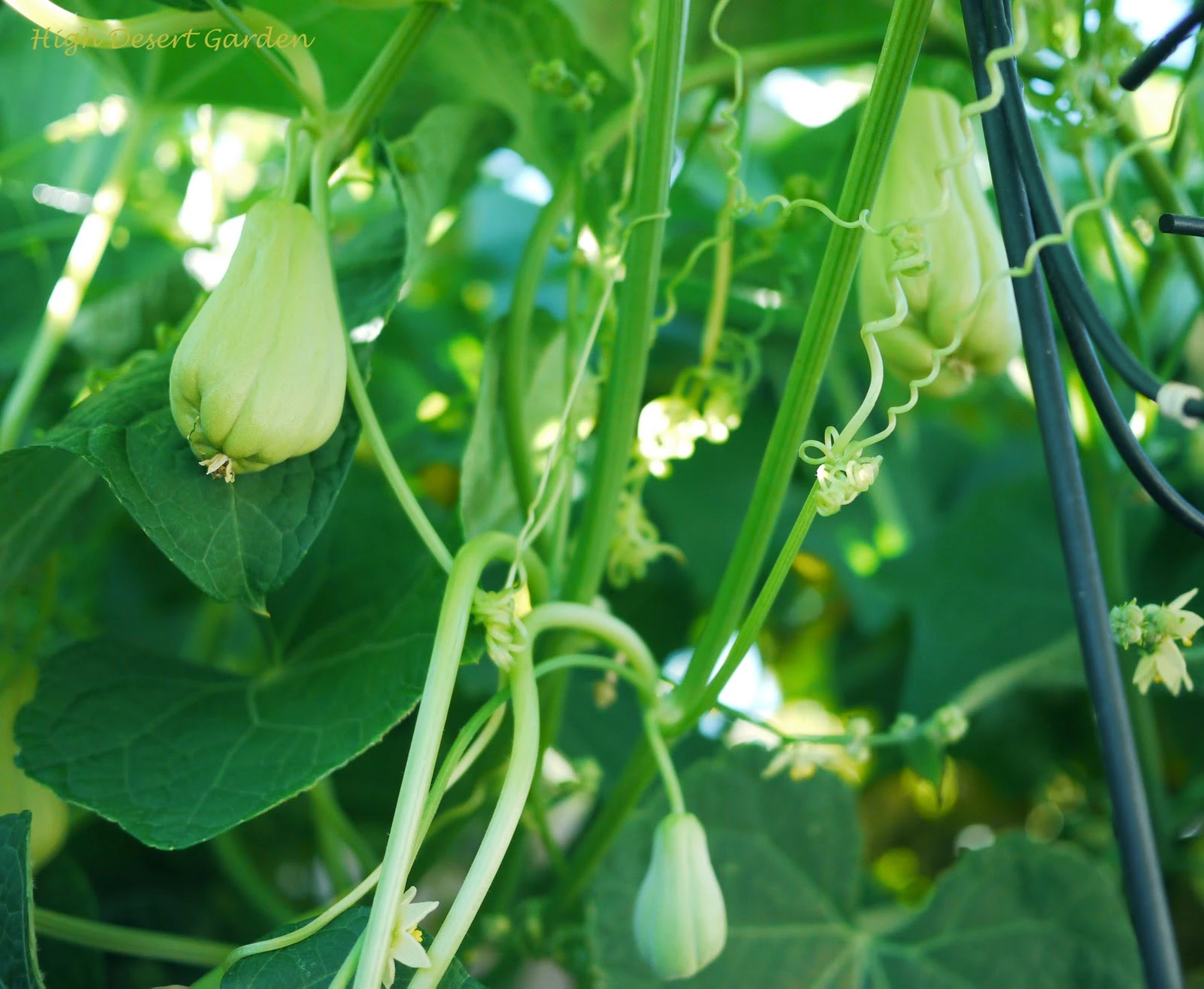 nt is a vine like cucumbers and melons. It grows close to the ground or can climb, if supported, many meters in length. The leaves are heart shaped and the fruit is pear shaped with a grooved wrinkly skin. This plant does not have the type of seed that can be preserved for future planting. Many trials have been done, but the plant needs pollination on the vine and must replant itself in soft form in the fruit. How does it taste? For as versatile of a vegetable as Xuxu is, it is not much loved. This could be it's peculiar look and it's indistinctive taste. That is to say, it doesn't taste like it's own thing. Raw, it has the texture and taste of Jicama and cooked, it really takes on the flavors you are using with it. It holds up well in shipping and in cooking, so you may find it as an ingredients in processed foods as a filler instead of a more delicate choice, like apples. Season: Like the other Mexican vegetables in these blog posts, these vegetables are available year round in Mexican markets
Recipe: This is reprinted from Epicurious and won because they actually used the Brazilian name of Xuxu...
Yield: Makes 4 to 6 servings
- Active Time: 30 min
- Total Time: 40 min
Ingredients
-
- 6 garlic cloves
- 3/4 cup chopped white onion
- 2 to 3 tablespoons chopped fresh jalapeño, including seeds
- 1/3 cup fresh lemon juice
- 3 medium xuxu (chayote; about 1 3/4 pound total)
- 1 1/2 pounds large shrimp, peeled and deveined
- 1/4 cup olive oil, divided
- 1 (14-ounces) jar or can hearts of palm, rinsed well, patted dry, and cut into 1/2-inch pieces
- 1/3 cup chopped cilantro
Preparation
-
- With motor running, drop garlic into a food processor and finely chop. Stop processor and add onion, jalapeño (to taste), lemon juice, and 1/4 teaspoon salt, then pulse until finely chopped.
- Let stand at room temperature 30 minutes for flavors to develop.
- Peel xuxu if skin is tough. Cut xuxu off pit in slices, then cut into 1/4-inch-thick matchsticks.
- Toss shrimp with 1 teaspoon salt. Heat 3 tablespoons oil in a 12-inch heavy skillet over medium-high heat until it shimmers. Sauté shrimp until just cooked through, 3 to 5 minutes. Transfer to a plate.
- Sauté xuxu in remaining tablespoon oil in skillet until crisp-tender, about 3 minutes.
- Return shrimp to skillet, then add hearts of palm and sauté until just heated through. Remove from heat and stir in chile-lemon sauce and cilantro.
Serve with: steamed rice
Comments
Post has no comments.