Update from the front:
As the migration of my website to mobile responsive occurs, I have found myself rereading my old content. Our website went live on July 25, 2013. I posted my first blog post on July 27th and we were up and running by September. On September 20, I wrote the following post...before you read it, there are a few updates.
- In February of 2015, we were hosting an Underground Supper Club where half of the seats sold belonged to the family of one our cheerleaders, Tina. 30 minutes before service, we received a call that they would not be able to attend as Tina, who was being treated for cancer, had been rushed to the hospital. We lost her the next month. We feel her presence every day. Every Tiramisu we make, is for her in spirit.
- On August 1st, we catered Chef Gaetano's wedding reception. If you want to compliment, boost the confidence and rattle a chef, just ask him to cater a chef's wedding. Chef Micky was amazing, so was the food. Thank you, again, Gaetano. You, your beautiful bride, Kearsten, and that wonderful baby boy are the biggest blessing!
- One friend who has really found a way to include, encourage and promote our little business is Lucky Biscayne. He brings his High School Entrepreneurs class for lunch and lecture, once a trimester, he brings his wife and family to our Underground Supper Clubs, and he will do small repairs around the kitchen when I ask...Thank you, Caps.
- My #ChiMIB Community is THE BEST! I don't need to expound on that, you know who you are and you all ROCK!
- Our little catering business has been on TV, hosted the Mayor, catered fundraisers all over town, even done an event for a Tony winning Broadway producer. We deliver lunches into the loop every week and our Underground Supper Club sells out every month. Again, thank you, thank you, thank you.
Now, from the previous post....
I don’t know if you have ever come across something that just ignites you. It seems to happen a lot when I am sitting at home on my computer. That is not the best place to have it happen. Generally, you are in your lounging clothes, in front of the TV or at least, not in a position to take your energy further afield. Today, I got lucky. I am working in the kitchen. I took a little break to feed my body (a good friend reminded me that I must stop to nourish myself if I want others to be nourished by our food) and checked my phone. We have a great support group of friends that are pulling for our success. Diane reminds me to be the change I want to see in the world. Nina is always sharing positive motivation and is the first to tell us how great we are doing. Michelle is all kinds of encouraging when she passes along something I have done because she is inspired. Shellie gives me great online resources that move our cause along. All of them have contributed today and here I am, full belly, in action to share their lessons. If you are a foodie, care about the planet and the food supply, enjoy helping local businesses and mostly just notice that the world is ever changing and we have a say, then this blog post might be a tool for making a difference.
Facebook really is a great tool. It all began when NIna posted, “It’s not selfish to love yourself, take care of yourself, & to make your Happiness a priority. It’s necessary.” -Mandy Hale. This was an image from www.Livelifehappy.com and I really liked it. Then Shellie shared something on my timeline that compelled me to click. It was a new website called FarmPlate.com. It is still in BETA so I am excited to be so far ahead of the curve! This site aims to be an “online community that connects farmers, fishermen, foragers, food artisans, restaurants, markets, distributors and foodies everywhere.” These words were taken directly from their About Page and they really spoke to me. We are slow food and would love to be listed in this resource. But more importantly, we look forward to using this resource to be better at the things we want to do. (Update: We were included, but the website did not survive. Perhaps I will find a way to take it up again when my plate isn't so full.) When I sat down to write this post, a message came in from Facebook that Diane, my cheerleader, had posted something that awaited my approval...”Life is too short to worry about stupid things. Have fun. Fall in love. Regret nothing and don’t let people bring you down.” Whew! Lofty aspirations or are they just the natural way of things? I totally get it is a simple matter of perspective. In order for this little nugget to be easy and natural you have to give up being right AND let others be who they are. I thank Diane for this chestnut. I am in action to create my world the way I want it.
Kitchen Influences
There are also the influences that Chef is grateful for. He's got Alain, who is an idea man and then some. When they get together, it is like a think tank fueled by great food. There are the great chefs that have inspired, influenced and motivated him, like Chefs Lee Wolen (now a James Beard Nominee), Gaetano Nardulli and David Santos. They still mentor and share, I suppose we all should be grateful to them. There is also Chef Kriss, his ideas make our chef very well rounded. If you have had anything sweet from our kitchen, it was influenced by Chef Kriss Harvey. Finally, Chef Jill Houk, a friend of mine, that has done much to help us. I am grateful to have reconnected and drawn from her expertise. Our Chef has also benefited greatly from her input. Scot and Lana for getting us into this "mess", we thank you for being here when we didn't think that was possible (Update: and for dropping out so I could learn what I was actually capable of). Our Moms are the best. To them we say, "Hey, we are who you made, deal with it!" and thank you!
Now, to the resources I wanted to share….
http://www.farmplate.com/ Use this resource for all things nourishing. They need the community's support in order to realize their dream. I would like to jump on their band wagon. (again, defunct)
http://www.thekitchn.com/a-foodlovers-guide-to-chicago-90602. Here is a fun one. You may not be in Chicago, but perhaps you could use Google to see if there is a similar resource in your area.
http://www.slowfoodusa.org/ is an organization that believes in good, clean and fair food for everyone.
So again, I want to thank all that have done something that encourages the staff at All Natural Chicago in any way. I may not have mentioned your name (Lainie, LaVerne, Aunt Carol, Tina and others), but that's mostly application.  Some of our friends and family have shared what we are doing. Some have called and ordered food. There are some that send great energy our way. It doesn’t matter how small or huge your contribution might seem, it matters. I bet there are some great friends and supporters out there that don’t even know how large a role they play. It takes a village to raise a child, and this is another child in our family. Thank you to our village!



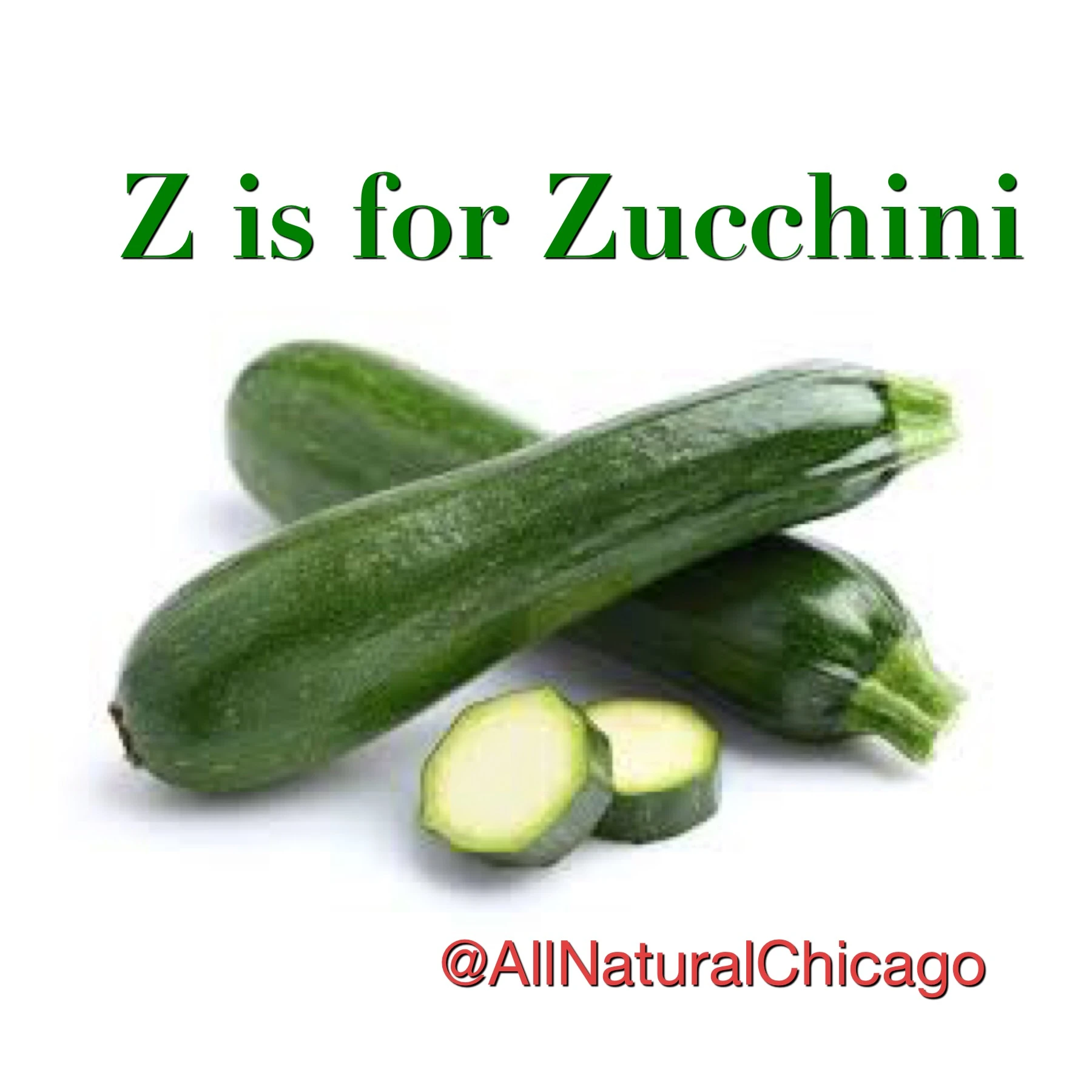
 Z is for Zucchini
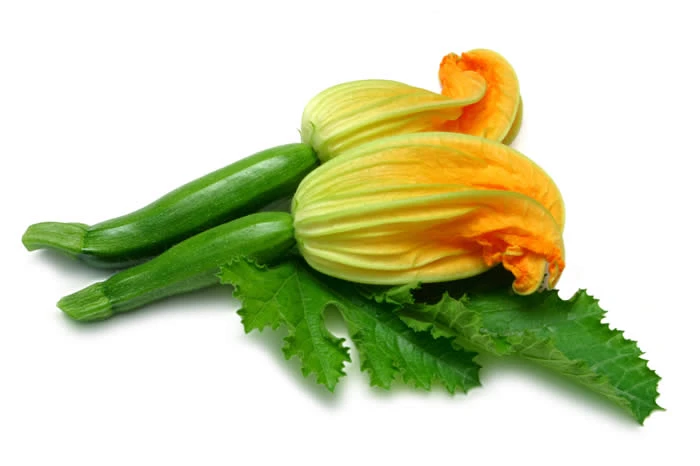 Identification: The sprawling plant is a vine like cucumbers and melons. The blossoms are edible and are commonly served stuffed with cheese and lightly breaded and fried. The Zucchini is dark green and can be harvested when finger size (see left) or any time thereafter, but generally lose flavor quality and have an abundance of seeds when greater than 12-18 inches in length. They are quite prolific producers of fruit, so if you are able to grow your own, be sure to harvest the blossoms and try a few recipes with them. You won't be lacking for zucchini during harvest, I promise. Season: March through Mid October
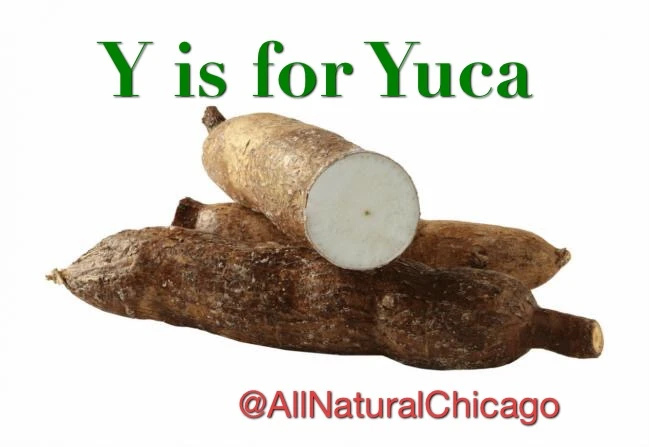
 Y is for Yuca
 can be found growing in the wild in the south of Brazil. By 4,600 BC, manioc pollen appears in the Gulf of Mexico lowlands, at the San Andrés archaeological site. The oldest direct evidence of cassava cultivation comes from a 1,400-year-old Maya site in El Salvador. With its high food potential, it had become a staple food of the native populations of northern South America, southern Mesoamerica, and the Caribbean by the time of the Spanish conquest (from Wikipedia).
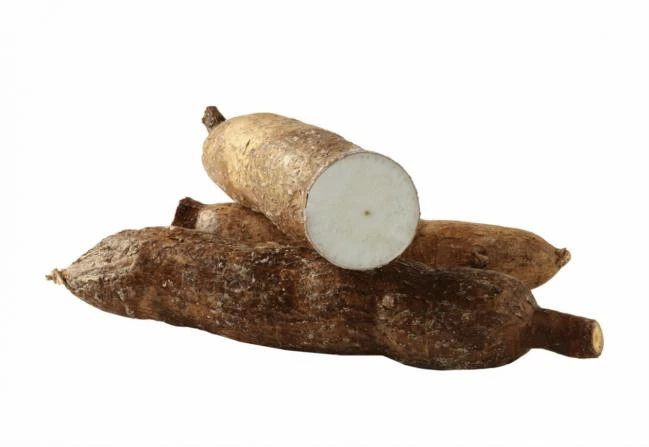 mm thick, rough and brown on the
outside. It is classified as either sweet or bitter. Like other roots and tubers, both bitter and sweet varieties of cassava contain antinutritional factors and toxins. Preparation of the bitter variety requires strict attention. Season: This is an import crop and can be found all year.
mm thick, rough and brown on the
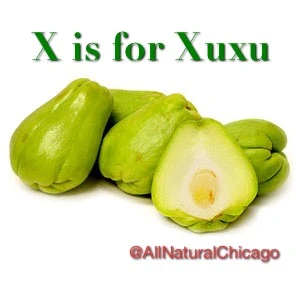
outside. It is classified as either sweet or bitter. Like other roots and tubers, both bitter and sweet varieties of cassava contain antinutritional factors and toxins. Preparation of the bitter variety requires strict attention. Season: This is an import crop and can be found all year. X is for Xuxu
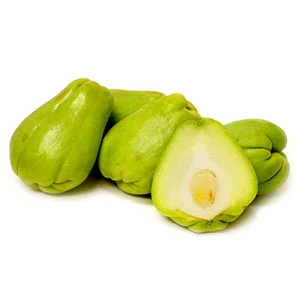 ns. The names for this vegetable are varied and vast...Choko (Australia) christophene or christophine, cho-cho, cidra (Antioquia, Caldas, Quindio and Risaralda regions of Colombia), sayóte (Filipino languages), guatila (Boyacá and Valle del Cauca regions of Colombia), centinarja (Malta), sousou or chou-chou (chow-chow) (Mauritian Creole), chuchu (Brazil), pimpinela (Madeira), pipinola (Hawaii), tayota (Dominican Republic), mirliton (Haitian Creole), pear squash, vegetable pear, chouchoute, choko, güisquil (Guatemala, El Salvador, pataste (Honduras), piskot or sikot (Meghalaya), is-kus (Nagaland), dashkush (Manipur), iskut (Mizoram), is-Kush (Nepal) su su (Vietnam). Its tuberous and edible root is called chinchayote or chayotextle in Mexico and ichintal in Guatemala.
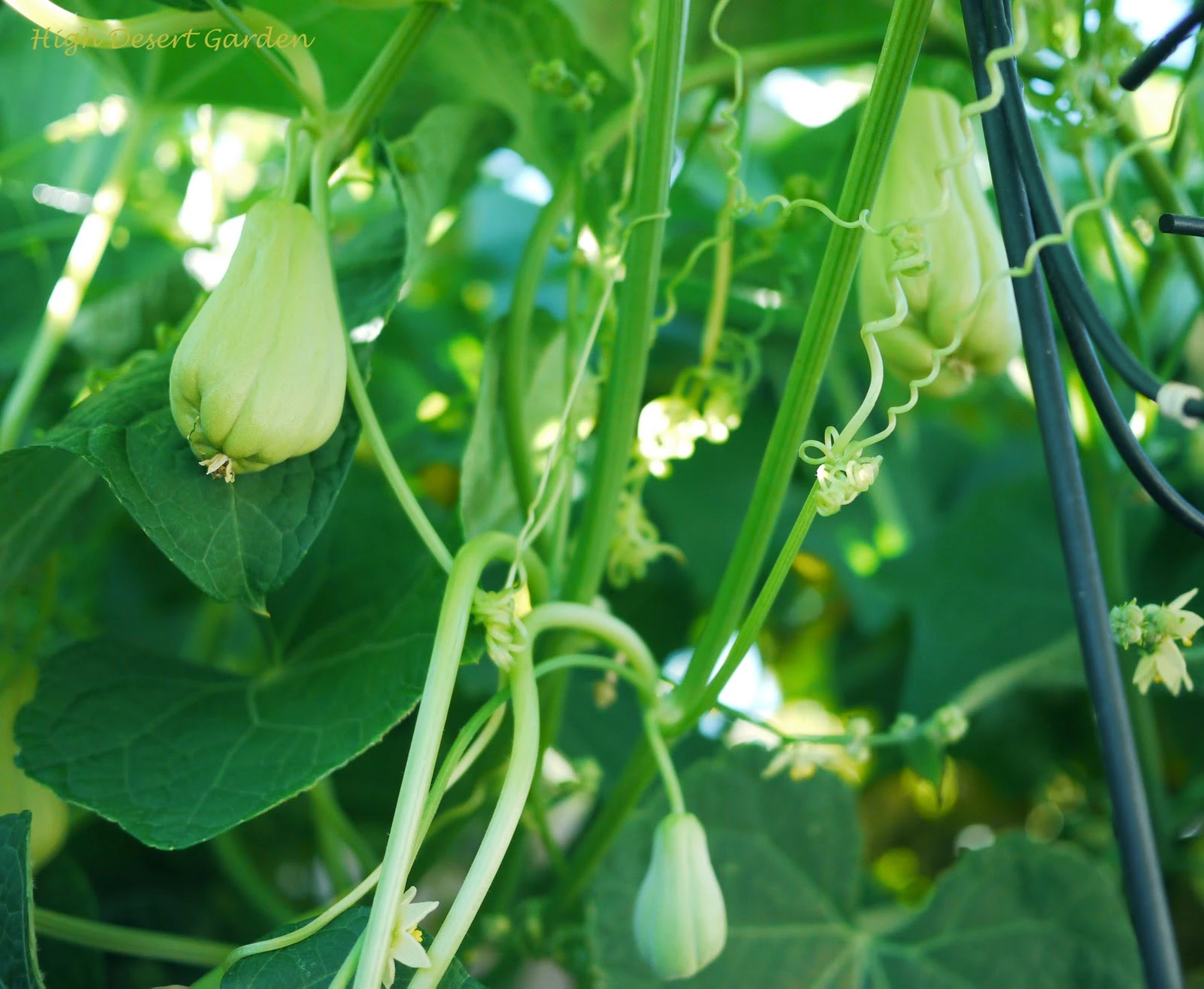 nt is a vine like cucumbers and melons. It grows close to the ground or can climb, if supported, many meters in length. The leaves are heart shaped and the fruit is pear shaped with a grooved wrinkly skin. This plant does not have the type of seed that can be preserved for future planting. Many trials have been done, but the plant needs pollination on the vine and must replant itself in soft form in the fruit. How does it taste? For as versatile of a vegetable as Xuxu is, it is not much loved. This could be it's peculiar look and it's indistinctive taste. That is to say, it doesn't taste like it's own thing. Raw, it has the texture and taste of Jicama and cooked, it really takes on the flavors you are using with it. It holds up well in shipping and in cooking, so you may find it as an ingredients in processed foods as a filler instead of a more delicate choice, like apples. Season: Like the other Mexican vegetables in these blog posts, these vegetables are available year round in Mexican markets
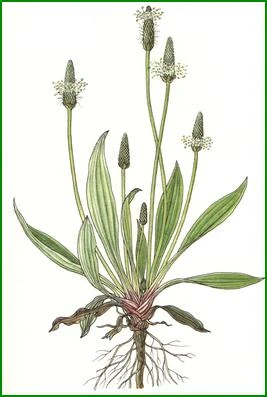
 W is for Wild Edible Plants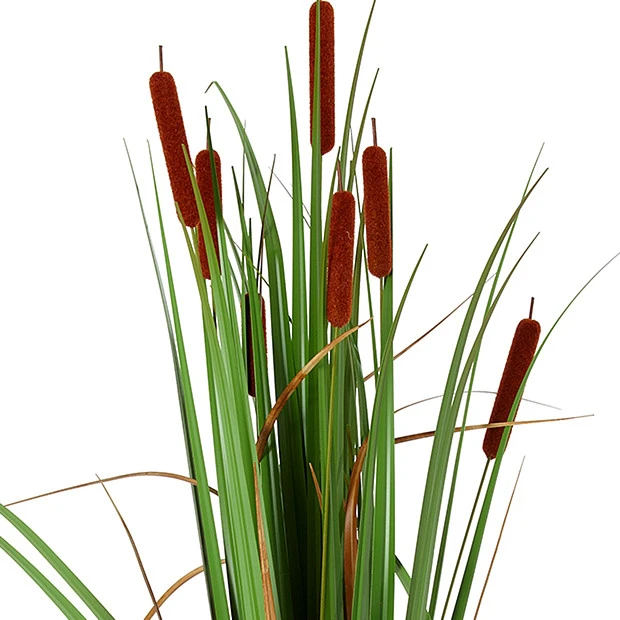
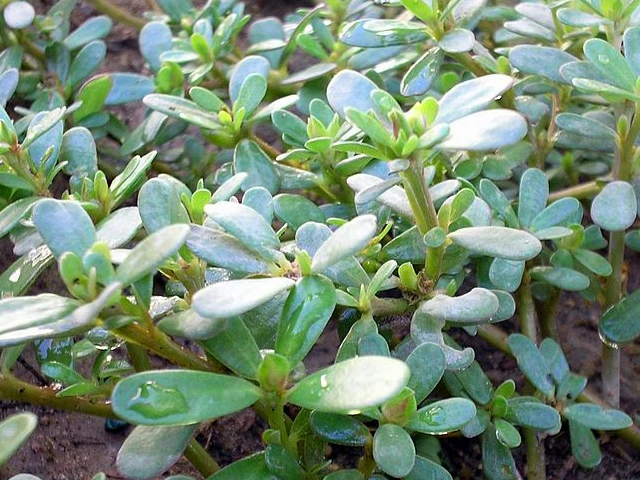
 V is for Verdolagas
 tes.
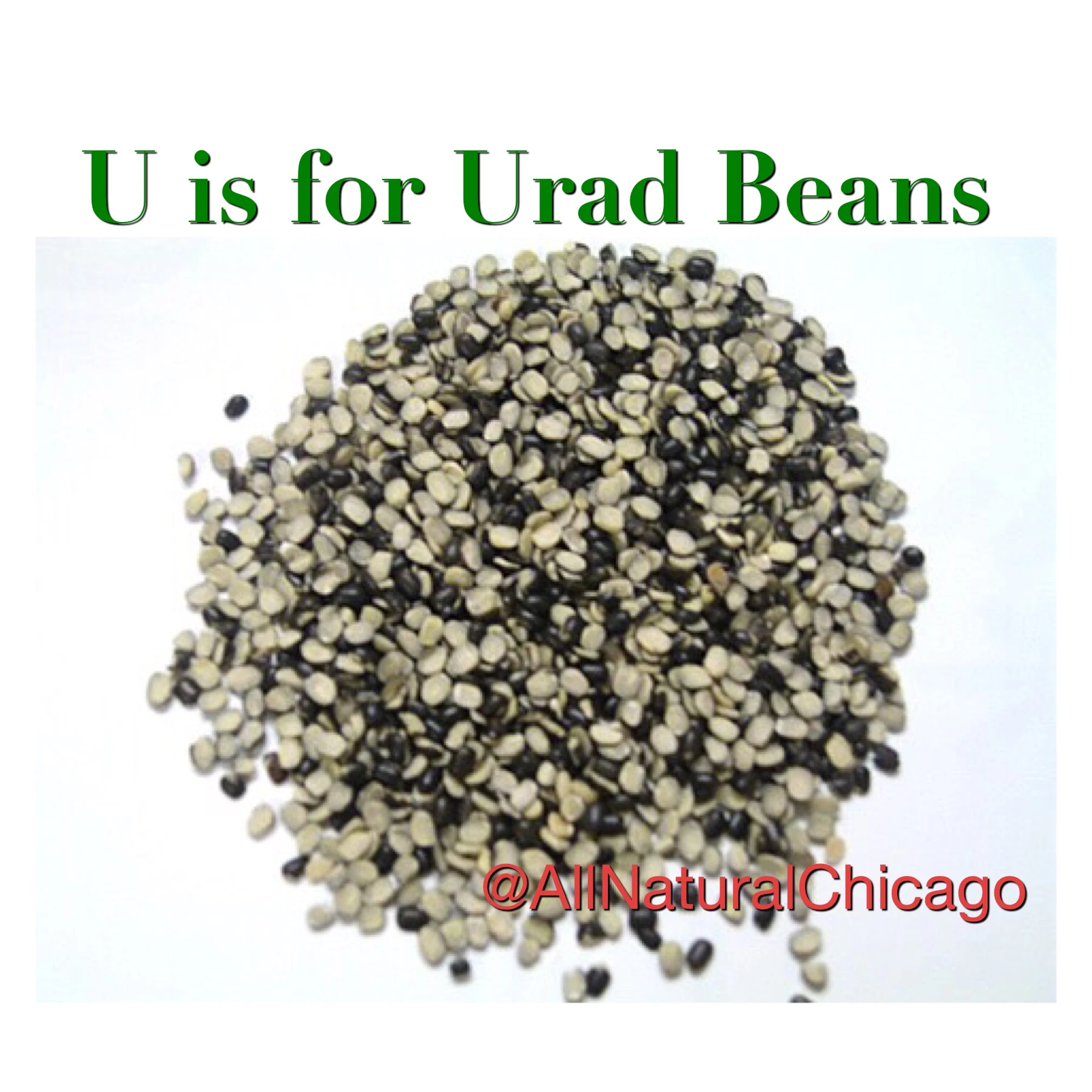
tes. U is for Urad Beans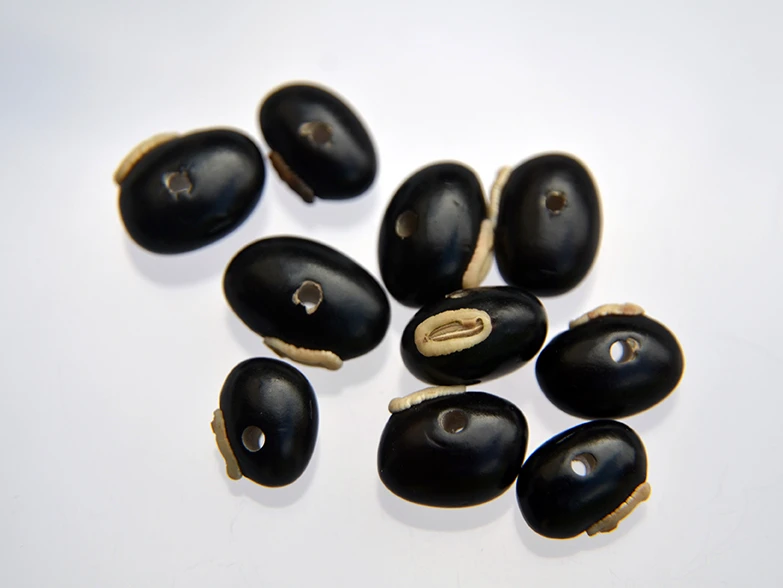

 T is for Tomatillo
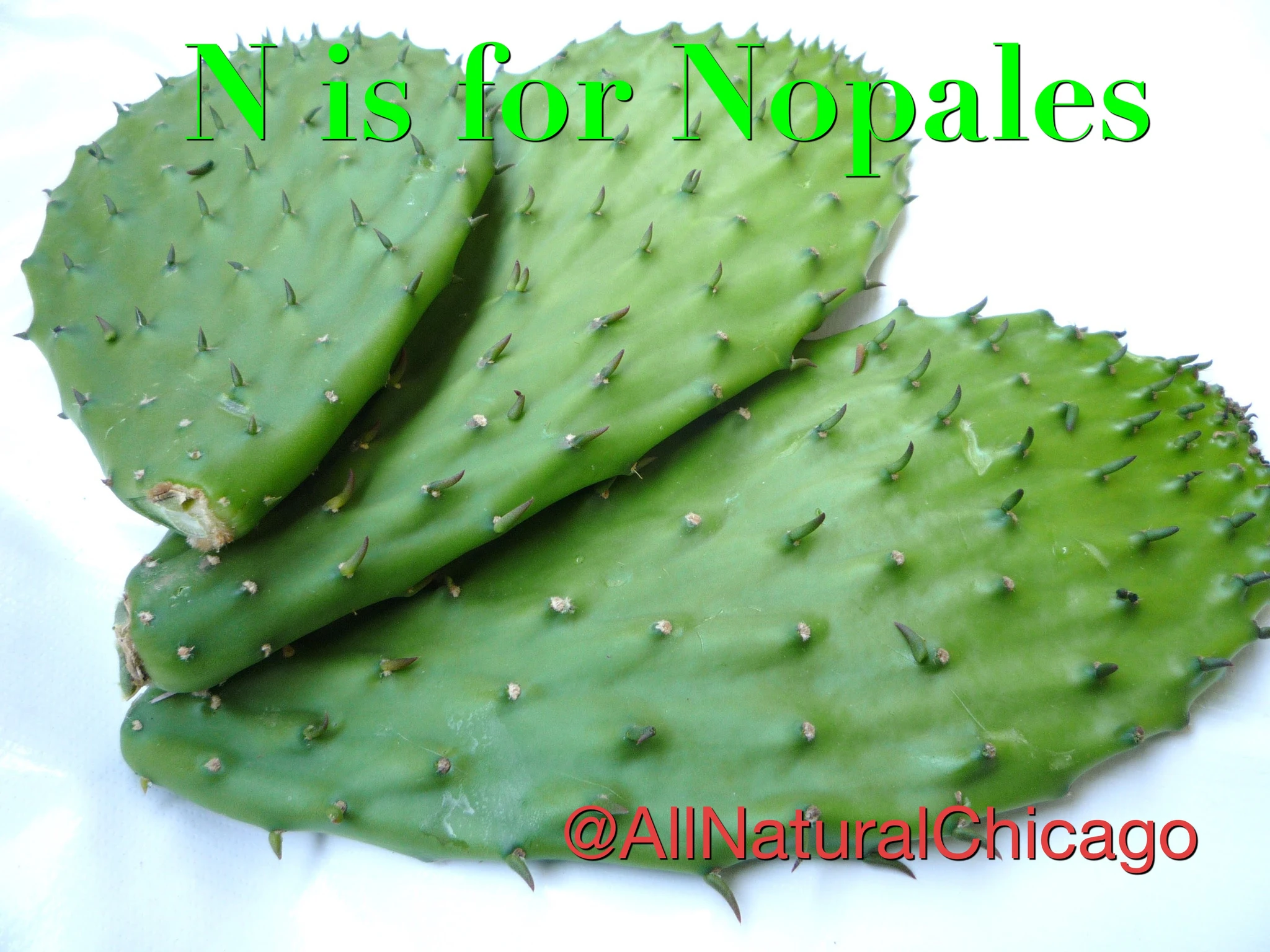
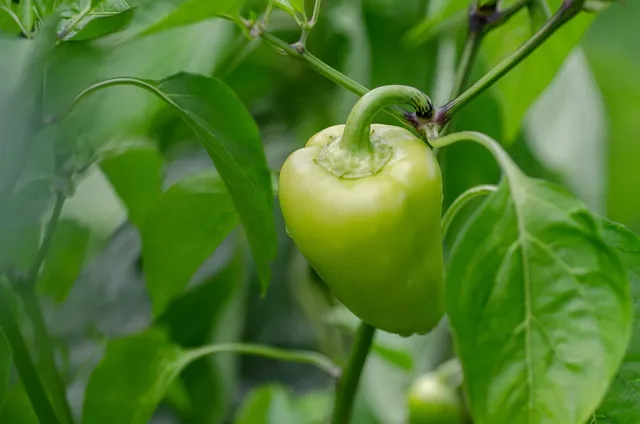
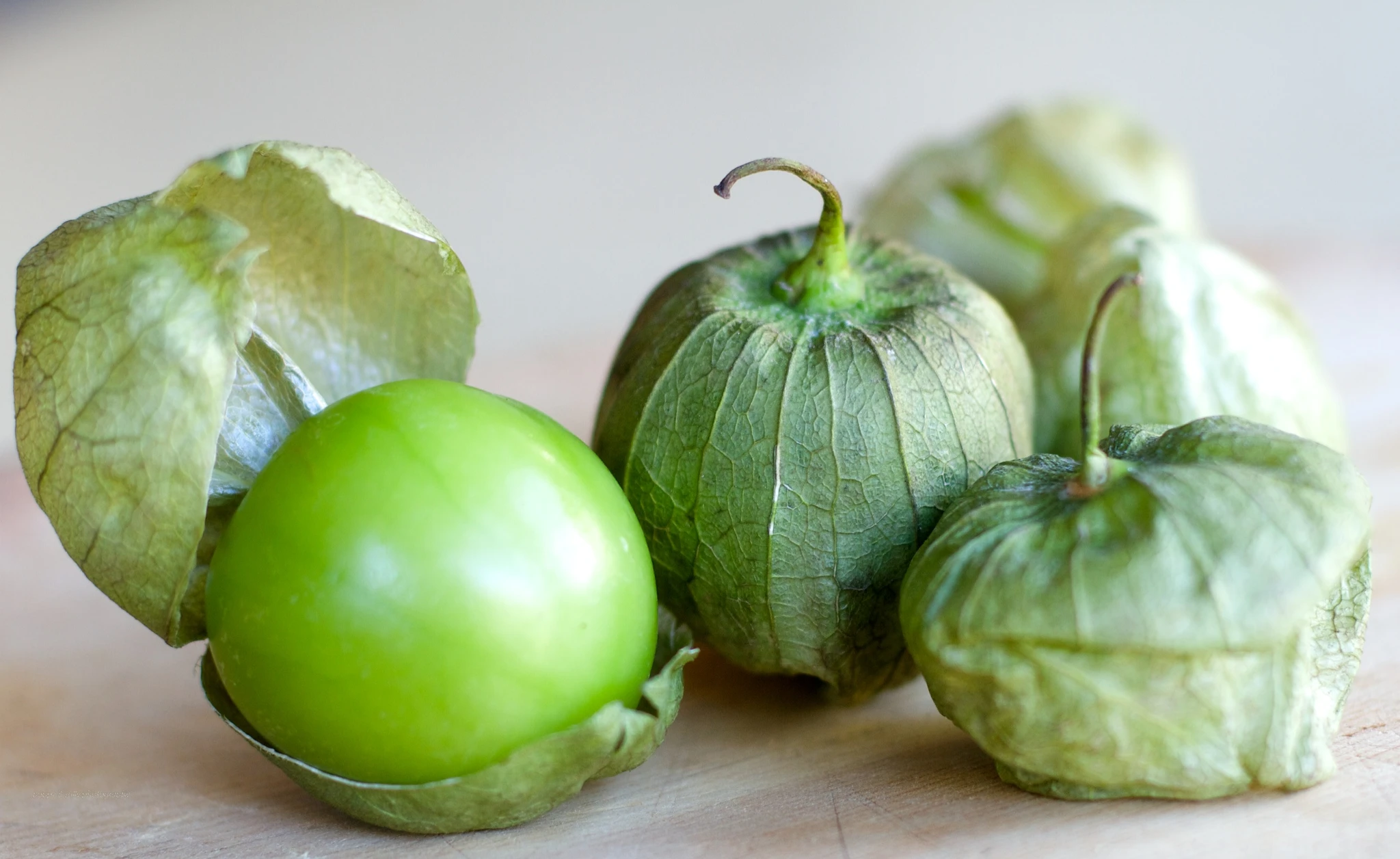 the protective husk that the fruit develops inside. The husk is inedible but has other purposes...using it to prepare Nopales from the N blog entry, will change the thickness and stickiness of their texture. Green is the most common color, but they also come in a green-purple and green-red variety. The tomatillo can be eaten raw or cooked. The purple and red colored ones tend to be slightly sweeter so often get used in canning of preserves.
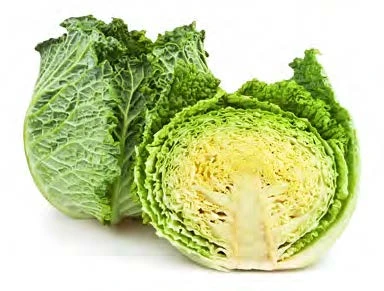
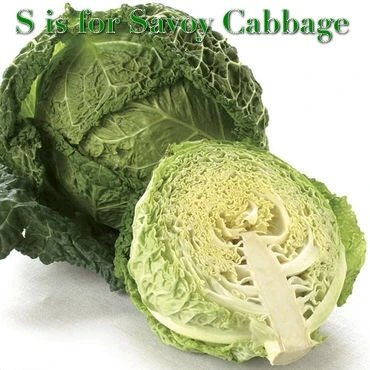
  S is for Savoy Cabbage