Blog(Click title to leave a comment)

Local Midwest Produce H is for Haricot Vert

Tess Kearns - Saturday, April 09, 2016

H is for Haricot Vert


 History: Haricot Vert is French for Green Bean.  From the same family, they are a variety of green beans that are longer and thinner than the types of green beans we commonly find in the US, though they grow just fine here. This post and recipe can apply to any kind of green bean, but there are reasons you might choose the fancier named bean, so we decided to feature it here.  If you are growing beans, the long bean we call string beans can either grow in bushes or on vines that need to be trellised or tied to poles.  There are advantages to the bush beans, like shorter growing time and less plant maintenance.  Haricot Vert are bush beans, though there are other beans that grow on bushes too.  When you are shopping at a farmer's market or the grocer for beans, an advantage would be ease of sorting, cleaning and use.  Haricot Vert tend to be straighter and thinner, so it is easier to find the nicer ones.  When serving green beans, a plate of organized, great tasting beans is the final advantage - you'll look like a pro.
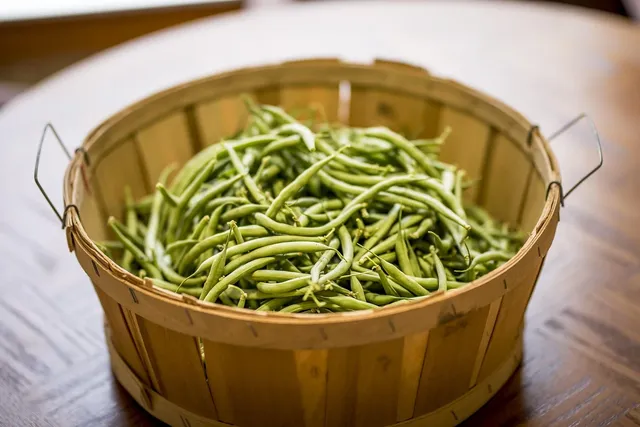
Haricot Vert vs Green beansIdentification:  When you are standing at the Farmer's Market looking at beans, you will notice the thin, straight beans vs a mass of beans that are thicker and often have a curve at their end. The grocer will often have the Haricot Vert in bags, all lined up and easy to grab.  You will have to sort through the regular green beans to ensure the nicest choices.  There is sometimes a premium price on the Haricot Vert, but the flavor and quality usually makes it worth it.  This is another reason to consider growing them for yourself if you have the room.   Learn more about the health benefits of green beans here.           Season: May through Mid October  

Recipe:  Steamed Green Beans tossed in infused oil

This recipe will keep your green beans (and you can use any strain of green beans) at peak flavor while maintaining the most nutrients

Infused Oil
Ingredients
 Garlic cloves (Crushed)
 Whole Peppercorns
 Fresh Bay leaf
 Olive Oil
 Lemon Zest
 Chili Flake
 Cleaned green beans with stem tips cut off
Method of Production
 Heat up oil, peppercorns, bay leaf and crushed cloves of garlic gently & not too hot
 As it cools, you may add the lemon zest and crushed chili flake
 Allow to sit, infusing for at least an hour, meanwhile, clean and steam your beans.
 When beans are tender, place them in a bowl and cover with strained infused oil.  Season with salt and more lemon zest, serve hot.

Local Midwest Produce G is for Gardening

Tess Kearns - Friday, April 08, 2016

G is for Gardening


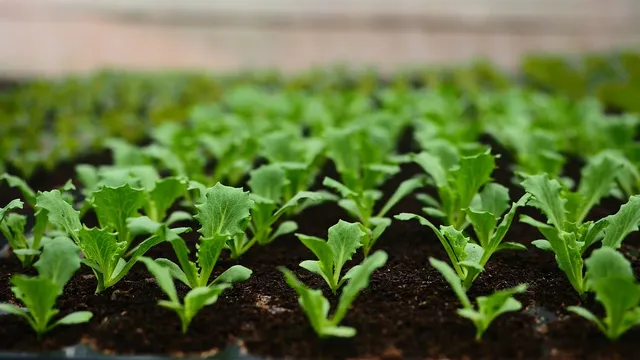
This post will be a little different, growing your own food can bring you back to basics in a wonderful way!
  •  Stores like Trader Joes, Whole Foods and even Jewel sell potted herbs that you can take home.  Rosemary, basil, thyme, chives, parsley and cilantro.  This is a small way to stay in touch with your own food.
  • Railing boxes are also great for herbs in the nicer months of the year.  You could also plant radishes in them since they don't grow deep and grow very fast.
  • Planter boxes/barrels that sit on your balcony, are great for tomato or pepper plants, my Mother-in-Law has a virtual farmer's harvest each summer.  She never has a summer salad without cherry tomatoes beginning about July 15th.
  • My favorite gardening suggestion is hydroponic/aeroponic gardening.  Have you ever heard of Tower Gardens?
We have begun a crowd funding campaign to get our own Tower Gardens in our catering kitchen.  We are using a new crowd funding site called MUMZY.  They are helping us in our efforts.  Will you help?  Click here to see the campaign.

                  O'Hare Airport, in Chicago, has a wonderful Tower Garden Aeroponic Garden.

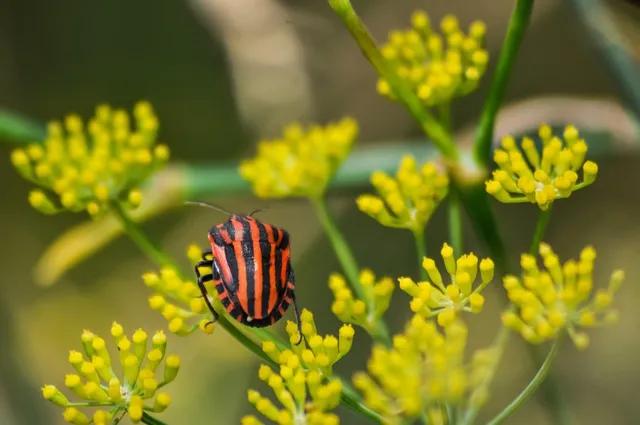
Local Midwest Produce F is for Fennel

Tess Kearns - Thursday, April 07, 2016

F is for Fennel


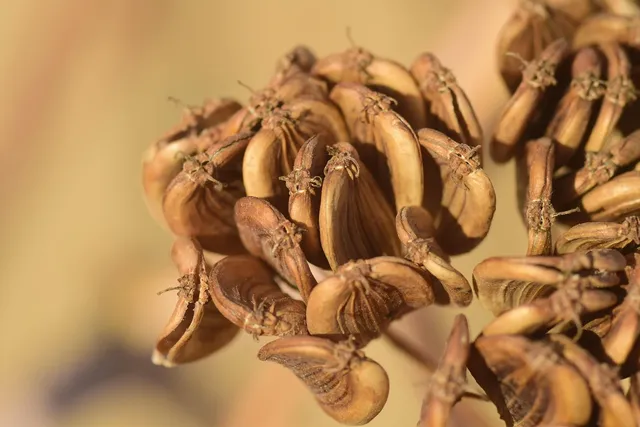
History: The name, Finocchio is the general Italian word for fennel.  There are 2 types of fennel, sweet and bitter.  Sweet fennel is often referred to as Finocchio to distinguish it from the bitter, though even sweet fennel turns bitter as it ages in the ground.  It was first discovered by the Porteguese and recorded in the 15th century.  The fragrance of Fennel during flowering is something to behold.  

Identification:  Fennel is in the carrot family. It is leafy plant with a swollen base.  It is not a true bulb, but is often referred to as a bulb.  The use of the plant is complete from the bulbous bottom, the frond on top, the seeds and most wonderfully, the fennel pollen.  It is found in many Italian pork dishes like porchetta.  More about the health benefits here.  Season: Pollen during spring  Vegetable - Mid July through October  



Recipe:

Roasted Fennel with Parmesan and Thyme

 
Ingredients
 Fennel Bulbs
 Butter
 Parmesan
 Fresh Thyme (remove leaves from stems)
 Salt to taste
Method of Production
 *Wash, trim and cut broad-wise (Vertically through the tops) reserve the fronds for next recipe
 *Place cut side up in baking dish and sprinkle with salt, pats of butter, grated Parmesan cheese and fresh thyme
 
Fennel Pesto
Ingredients
 Fennel Fronds
 Pine nuts or Walnuts
 Grated Parmesan
 Lemon Zest
 Garlic (optional)
 Olive Oil
 Salt to taste
Method of Production
 *Place 4 (or 5) ingredients in a blender, turn on medium and add olive oil until desired consistency.
 *Add salt to taste. 
 *The roasted fennel is a great side with chicken, pork or fish and the
pesto can be a sauce for them

Local Midwest Produce E is for Escarole (Endive)

Tess Kearns - Wednesday, April 06, 2016

E is for Escarole


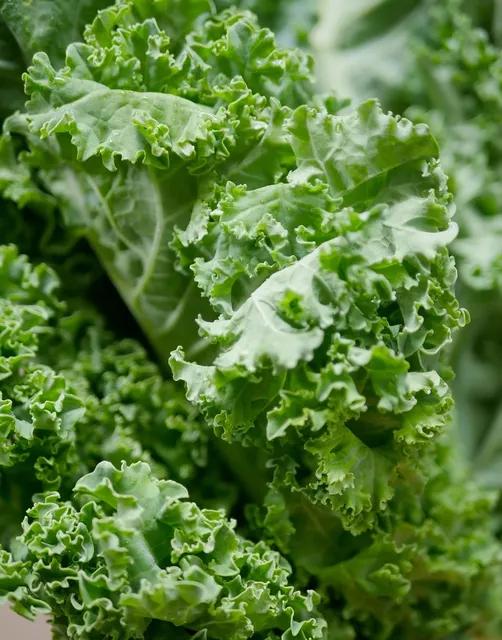
History:  Escarole is an endive.  The cousin of Dandelion from yesterday, there is a lot to unscramble about all of the Cichorium family. These are all considered Chicory and their uses overlap in a lot of ways, but you can see by the following vegetable names, they look similar in a lot of ways yet their looks are quite different.
  • Endive, curly endive, escarole, broad-leaved/Bavarian endive, Batavia endive, grumolo, chicory/frisée, scarola are all part of the Cichorium Endivia family. 
  • Chicory, Radicchio, French endive, sugarloaf/witloof/Brussels chicory, Belgian (red) endive, red chicory, succory, Chioggia, Verona, Treviso, Castelfranco (types) are part of the Cichorium Intybus family.
Interestingly, the bullet shaped vegetable with the Endive name is actually not grown in nature.  The name is another important distinction.  Read this Huff post article as I could not say it better myself: How You Pronounce ‘Endive’ Actually Matters, And Here’s Why

Learns about the health benefits of Endive here.  Season: Mid April through September

Indentification:


Recipe: - I thought is was called Basta Scalota, turns out, it is Pasta Escarole made in a Bridgeport neighborhood kitchen in Chicago.  This recipe is a soup dish and the escarole can be substituted for any bitter greens.  You could also add canned Indian Peas (discussed on I day) or white beans that have been drained and rinsed.

 Ingredients
 Yellow Onion, minced
 Clove of Garlic, minced
 Large bunch of Escarole washed and rough chopped
 Olive Oil
 Chili Flake to taste
 Salt to taste
 Angel Hair Pasta ( adjust amount to servings desired)
 Method of Production
 In a large stock or soup pot, sweat onion and garlic with pinch of salt in Olive Oil
 Once fragrant, add the Escarole, pinch of salt and allow to wilt
 Add the chili flake to taste
 Fill stock pot with appropriate volume of water to cook pasta amount
 Simmer greens in the water until desired tenderness
 Add Angel hair and cook until Pasta is desired tenderness
 Serve soup of  pasta and greens - topped with grated Parmesan

Local Midwest Produce D is for Dandelion

Tess Kearns - Tuesday, April 05, 2016

D is for Dandelion


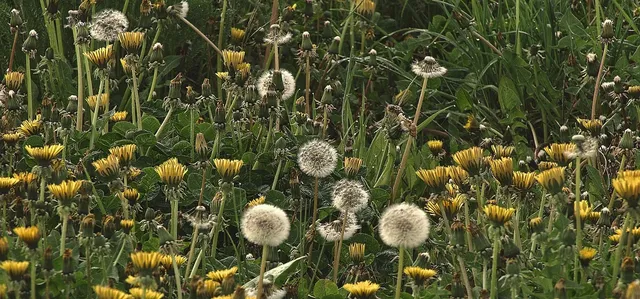
 HistoryDandelions (Taraxacum-a large genus of flowering plants) are thought to have evolved about 30 million years ago in Eurasia. They have been used by humans for food and as an herb for much of recorded history according to Wikipedia.  Dandelion are found on all continents and have been gathered for food since prehistoric times.  I chose this because I have always wondered and wanted to learn more about the consumption of them.  As kids, we picked the yellow flowers for our moms, wrote on our skin with them, and propagated the species by blowing the fluffy white seeds into the air, making a wish.  By the time this is published, I will have tried one of the recipes below.  Health benefits can be found here.  Season: March through Early June, then Mid July through October

Direct from Moneycrashers.com  -  5 Dandelion Greens Recipes for Salad & More


Dandelion Recipes

1. Sauteed Dandelions with Olive Oil, Lemon and Garlic

This is hands down my favorite way to eat dandelion greens. The recipe works best with young to medium-age (and sized) dandelion greens.

Sautéing dandelion greens is a great way to cook them because they keep a lot of their nutrients with this method.

2. Boiled Dandelion Greens


3. Fried Dandelion Flowers

Fried dandelion flowers taste similar to morel mushrooms. They’re very tasty!

4. Dandelion Greens Salad

5. Dandelion Root Coffee

Ok, I know many of you are going to look at this recipe with a raised eyebrow and a high dose of skepticism. But people have been roasting dandelion root as a coffee substitute for centuries. I have a bag of dried dandelion root in my kitchen right now, and I can tell you that it truly does taste like coffee. The biggest difference is that dandelion root is more bitter (tasting much like New Orleans’ style chicory coffee). It’s also caffeine free, and contains more antioxidants and nutrients than regular coffee.Roasting dandelion root is really easy. It’s best to dig up the root in the spring, which is when the roots have the most nutrients.


Again, here is the link to above work... http://www.moneycrashers.com/dandelion-greens-recipes-salad

Local Midwest Produce C is for Cauliflower

Tess Kearns - Monday, April 04, 2016

C is for Cauliflower


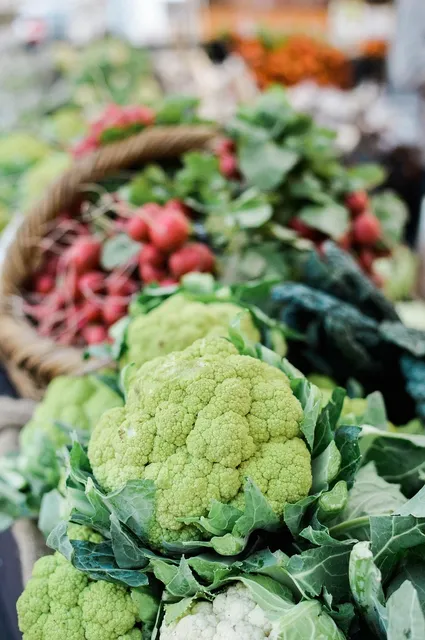
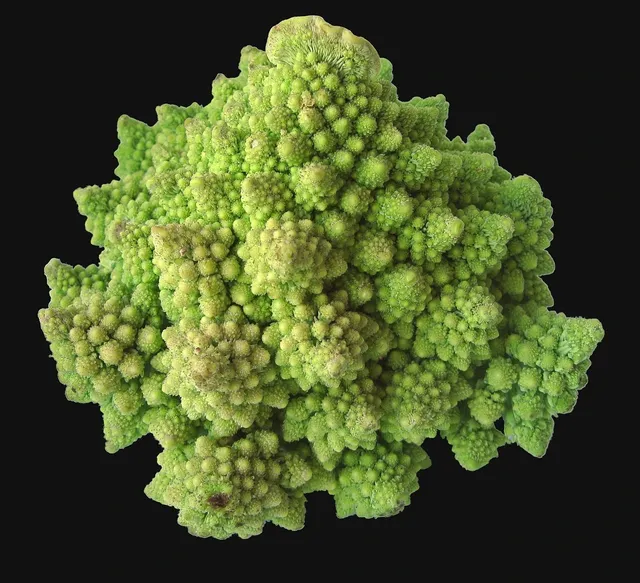
History:  The oldest reference to Cauliflower dates back to the 6th Century B.C.  This wonderful vegetable is in the same family as Broccoli, Brussels Sprouts, Kale, Cabbage and Collard Greens, even radishes (though they are a different cultivar.  Cauliflower comes in white, most commonly, but in recent years, orange, green and purple have become easier to find.  The color changes are due to the different nutrients present in each one. Orange has beta-carotene, purple has anthocyanins which are antioxidant flavonoids and green has C and A.  Eat your colors!!!  The health benefits are found here.   Season: July through November Local


Recipe:

Simple Roasted Cauliflower

Ingredients
 Method of Production
1 head of Cauliflower
 1. Cut head of cauliflower into small, bite size
Olive Oil
 2. Coat with Olive Oil
Salt  3. Sprinkle with Salt

 4. Roast on high heat - 400°- 425° until golden brown
Cauliflower has been discovered as a great replacement of gluten for things like pizza crust.  While we do not attempt things like that in our kitchen, any recipe that gets people trying new things is good by us.  This simple recipe is a great way to introduce cauliflower to a reluctant eater.  Roasting brings out sweetness and takes away the idea that the smell of cauliflower elicits.  Try it! 
Image from http://www.colorfulharvest.com/Cauliflower.php

Local Midwest Produce B is for Broccoli Raab

Tess Kearns - Saturday, April 02, 2016

B is for Broccoli Raab        (Italian Rapini)

History:  Broccoli Raab (or Rape or Rapini) came from Italy.  It is a bitter green that is not generally enjoyed by Americans (I challenge you to try it and change your palette).  It is a leafy green with scattered clusters of tiny broccoli-like buds.  The stalks grow from 6 to 9 inches in length.  Broccoli Raab is in the turnip family while Broccoli is in the cabbage family.  Broccoli Raab can be fried, sautéed, steamed and braised.  It is also really wonderful in soups.

Identification:  Don't confuse Broccoli Raab with Broccolini, it is the leaves that make the difference in looks. Broccoli is recognizable.  Broccolini is a little less so, but it is in the same cabbage family. Health benefits can be found here.                                        Season: May through August

Recipe: Firstly, Broccoli Raab is a "bitter" green.  Americans do not generally prefer this flavor, but that does not mean it should be avoided.  One way to reduce that bitterness in bitter greens, is to blanch it for 2 minutes.  To blanch, boil a pot of salted water, toss in the Broccoli Raab and let blanch for 2 minutes, remove from pot and drain.  Then proceed with whichever recipe you prefer.  Here is one of my favorites:

Broccoli Raab with lemon, garlic and chili flake

Ingredients
 2 bunches of Broccoli Raab
 Olive Oil, salt & pepper
 2-3 Garlic Cloves
 Zest of a lemon
 Juice from zested lemon
 Red Pepper Flakes
Method of Production
 1. Heat sauté pan until hot, then add enough olive oil to coat bottom of pan
 2. Toss in Garlic cloves and blanched Broccoli Raab
 3. Salt veg with a healthy dose of salt
 4. Sauté until desired doneness (like broccoli, you want it fully wilted and tender)
 5. Remove from heat, remove garlic cloves & squeeze lemon onto veg
 6. Season with lemon zest & red pepper flakes and pepper then serve
You will notice that a lot of the recipes and produce that gets chosen for these blogs, comes from Italy. I think it would be agreed that Italian cuisine is much loved in this country, even if some of the ingredients are either adapted or straight up substituted.     It would be great to see those true Italian items appear in our grocers' produce so that Americans can see what wonderful flavors are available.

Read more at: http://www.foodterms.com/encyclopedia/broccoli-rabe/index.html?oc=linkback

Local Midwest Vegetables A is for Asparagus

Tess Kearns - Friday, April 01, 2016

A is for Asparagus


 History:  Asparagus is a Spring flowering perennial, originating from Europe, Northern Africa and Western Asia.  It is cultivated world wide these days.  The most common type is green asparagus, but it also comes in Purple and White.  More about Purple Asparagus (@PurpleAspChi) later.

Identification:  Asparagus was once classified in the Lily family like Onions, but has since been reclassified in its own category.  The plants are bushy with frothy foliage on the top, but the portion we eat is the new growth near the ground.  An asparagus plant is not that recognizable in the garden.
Season: April through July locally

Recipe: Asparagus and Parmesan
Ingredients
2 bunches of Asparagus
Grated Parmesan
Butter
Salt to taste

 Method of Production
 1. Wash Asparagus and if bottoms are woody, use a veg peeler to remove outside layer
 2. Cut asparagus in bite size pieces or leave long, depending on dish length
 3. Place them in oven safe dish, add pats of butter, sprinkle with salt and cover with cheese
 4. Bake at 350° until cheese is golden brown
 5. Serve hot
If you would like to receive another Asparagus recipe for a grilling marinade,
request it in the comments below!

The health benefits are described when clicking here.  Many of us are aware of a certain, recognizable smell when asparagus is consumed.  It is all a matter of chemistry.  Certain compounds in asparagus are metabolized to yield ammonia and various sulfur-containing degradation products, including various thiols and thioesters,[49] which give urine a characteristic smell.  There is a small population who don't produce the smell and a small population that can't detect the smell.  Clever facts to know in case you had no idea what I am talking about.

Regarding Purple Asparagus...A non profit, based in Chicago, their mission:
Purple Asparagus educates children, families, and the community about eating that’s good for the body and the planet. We bring delicious, nutritious hands-on adventures to schools, community organizations, and farmers’ markets throughout Chicagoland.
We support Purple Asparagus through the Merchant Giving Project.  1% of the money they make off our credit cared processing goes to this charity.