

 T is for Tomatillo
History: Tomatillos were originally domesticated in Mexico as far back as the Mayans and Aztecs. It was an important cultivar and became a staple of Mexican cuisine long before Europeans found their way to the Americas.
Identification: A member of the nightshade family, the tomatillo is also known as the husk tomato. This name comes from 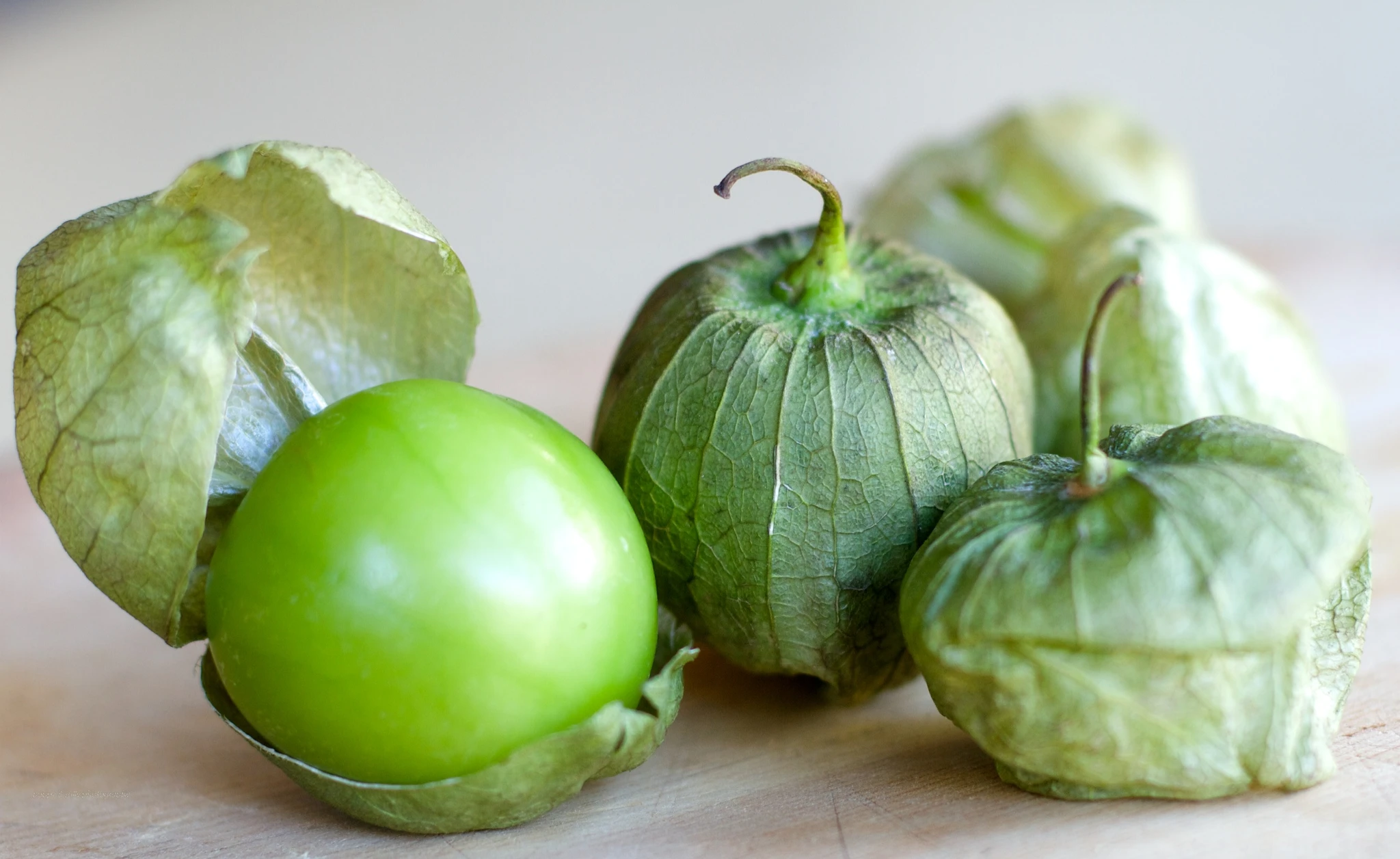 the protective husk that the fruit develops inside. The husk is inedible but has other purposes...using it to prepare Nopales from the N blog entry, will change the thickness and stickiness of their texture. Green is the most common color, but they also come in a green-purple and green-red variety. The tomatillo can be eaten raw or cooked. The purple and red colored ones tend to be slightly sweeter so often get used in canning of preserves.
I began with Turnips and switched tomatillos when I discovered turnips were too much like a radish and a root vegetable (parsnips) which I already discussed. Tomatillos are interesting. Yes, it looks like a tomato and is used in place of tomatoes, but it tastes differently. It’s tartness lends itself to sauces and preserves. Season: Like Nopales, these are available in Mexican food stores year round.
Comments
Post has no comments.