

 L is for Lettuce
I chose Lettuce for this post, because there are so many wonderful types of lettuce to be introduced. The identification section will be helpful. As our catering company has evolved, I am often confronted with which type of lettuce works best in each application. From the Romaine in our chopped salads and mixed greens in our regular salad & topping our chicken sliders, to the frissée in individually cupped salads and arugula on the roast beef, there is actually a reason for each choice. Lettuce is the answer to one of my favorite food riddles...What is the only fruit or vegetable that is only brought to market in one way - fresh? Not pickled, dehydrated, frozen, canned or cooked in any way?
History: Lettuce is an annual plant from the daisy family. It began cultivation in ancient Egypt from what we would consider a weed, that had been used for oil from it's seeds. This cultivar spread to the Romans and Greeks, giving it the name, lactuca, from which English derived the name, Lettuce. This particular lettuce, based on depictions in stone reliefs, is most similar to Romaine.
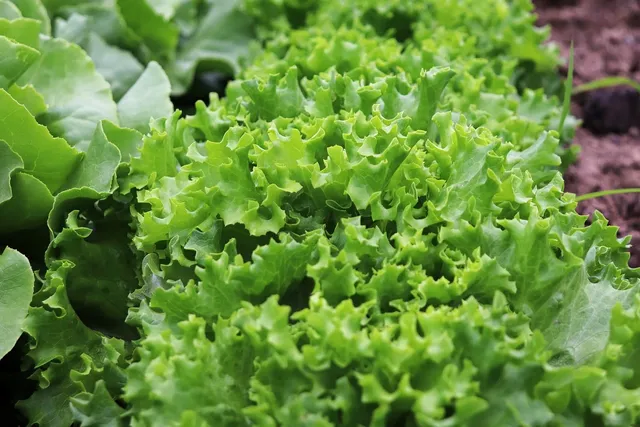
Identification: There are several types of lettuce, but 3 main types leaf, head and cos (or romaine) are the ones we see most often. I won't be discussing stem and oilseed types, though stem lettuce is common in Chinese cooking. Leaf lettuce comes in various types. In the long graphic below, you will see Mizuna, Oak, Tango, Bib on the chart below. While this chart shows radicchio, cabbage and spinach, all of which you will see in other blog posts this month, those are not in the same family as lettuce, they just partner great with lettuce leaves of all types. One wonderful thing about lettuce in the Midwest, if you expand your repertoire of lettuce choices, the season for harvesting lettuce is nice and long. Learn more about the health benefits here. Season: Mid March through Mid October

I am not posting a recipe, but a really great idea for salad enhancement is adding herbs. I love dill sprigs in my salads. Cilantro works great. Sorrel is awesome. If you add berries to your salad, mint would even be a wonderful addition to them. Here is a nice guide to common head lettuces...http://www.goodhousekeeping.com/food-recipes/cooking/tips/g532/types-of-lettuce/
Comments
Molly of Molly's Canopy
http://mollyscanopy.com